
Babies can have crackers from 12 months, not before. Why: hard and usually salted; before 12 months, a soft toast finger is easier to manage. At 12 months: soft plain crackers that melt in the mouth, like water crackers, plain or thinly spread. Hard or sharp ones wait.
- Other names and forms
- saltines, soda crackers and savoury biscuits
- Start
- 12 months, not before
- Common allergen
- Yes: wheat
- Iron
- 5.6 mg per 100 g, an iron-rich food
- Textures
- Finger food
How to serve crackers by age
12 to 23 months
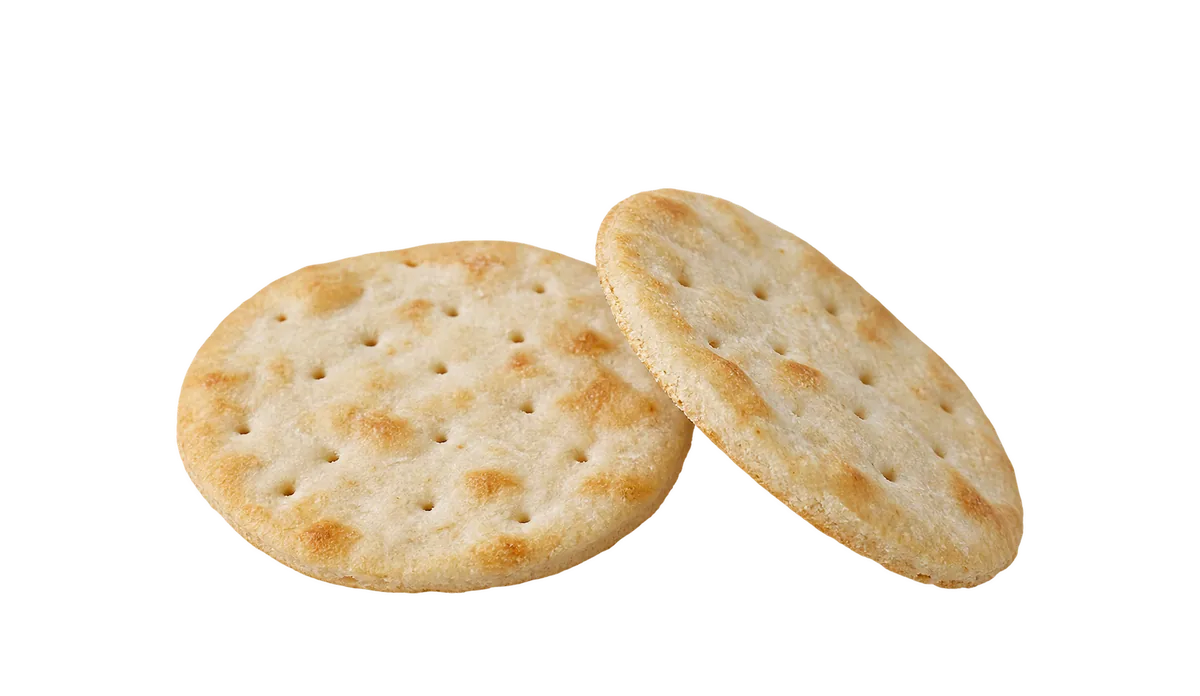
Soft plain crackers that melt in the mouth, like water crackers, plain or thinly spread. Hard or sharp ones wait.
Age 2 and up
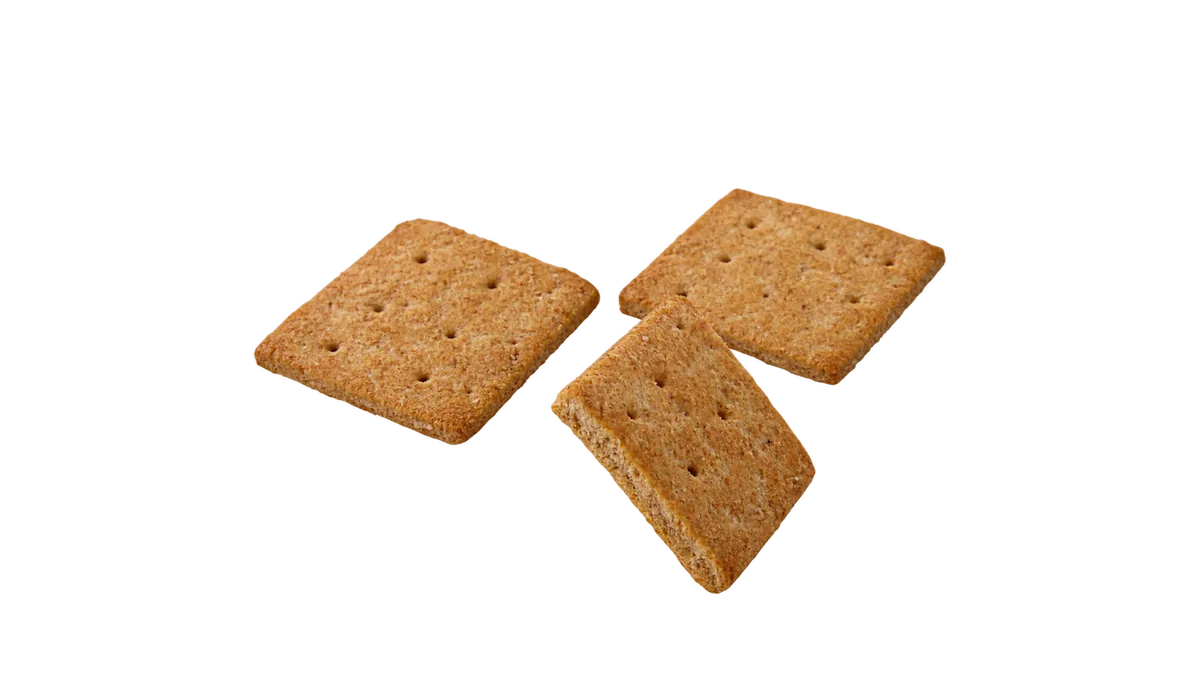
Harder crunchy crackers once they bite off small pieces and chew well, always sitting down.
Sito shows this card at your baby's exact age, for 583 foods.
Crackers and food allergy
Wheat is one of the nine major food allergens. ASCIA, the Australasian allergy society, advises introducing common allergy foods in the first year, by 12 months, one new one at a meal, and once a food is tolerated, keeping it in the diet at least once a week.
If your baby has severe eczema or a known food allergy, talk to your doctor before offering common allergy foods.
Signs of a reaction soon after a food include swelling of the lips, face or eyes, hives or welts, vomiting, and a sudden change in behavior. Difficult or noisy breathing, a swollen tongue, or a baby who turns pale and floppy is an emergency: call 911 or your local emergency number.
Iron and other nutrients
USDA figures per 100 g (Crackers, saltines (includes oyster, soda, soup)): iron 5.6 mg, zinc 0.69 mg, calcium 19 mg and vitamin A 1.0 mcg. Children aged 1 to 3 need 7 mg of iron a day, according to the NIH. Household measures from USDA: 1 cracker is about 3.0 g and 1 large cracker is about 10 g.
Starting Solids in the Sito app
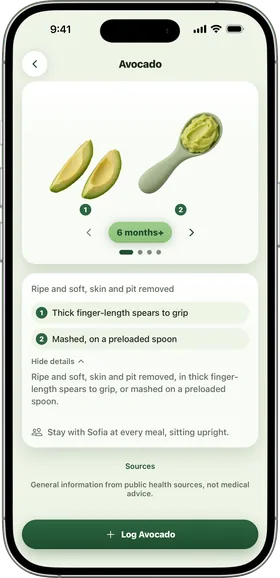
Sito is our app. From 4 months, the home screen is Starting Solids: the signs of readiness, how to serve each of 583 foods at your baby's age, and a quick log for every taste. Spears to grip or mashed on a spoon, each food's card shows the shapes that fit your baby's age, and swipes ahead to how it changes as they grow.
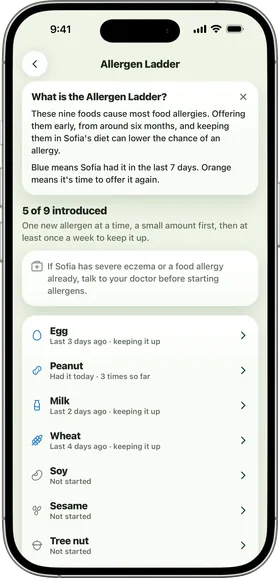
The Allergen Ladder takes 9 common allergens, one at a time, with a check-in after each. At 12 months the full app opens on its own: meals from a photo, 18 nutrients, and how to cut every food until age 4.
Every first food, served right
Add your baby and Starting Solids opens at 4 months.
FAQ
When can babies have crackers?
From 12 months, not before. Why: hard and usually salted; before 12 months, a soft toast finger is easier to manage.
How do you serve crackers to a 12-month-old?
Soft plain crackers that melt in the mouth, like water crackers, plain or thinly spread. Hard or sharp ones wait.
Are crackers a common allergen?
Yes. Wheat is one of the nine major food allergens. ASCIA advises offering common allergy foods by 12 months, one new one at a meal, and once one is tolerated, at least once a week after that.
Sources
- AAP HealthyChildren: Choking Prevention for Babies & Children
- CDC: When, What, and How to Introduce Solid Foods
- CDC: Foods and Drinks to Avoid or Limit
- NHS: Your baby's first solid foods
- NHS: Foods to avoid giving babies and young children
- ASCIA: How to introduce solid foods to babies for allergy prevention
- USDA FoodData Central: Crackers, saltines (includes oyster, soda, soup)
- NIH Office of Dietary Supplements: Iron
- NIH Office of Dietary Supplements: Zinc
- NHS Best Start in Life: Food and drinks to avoid